
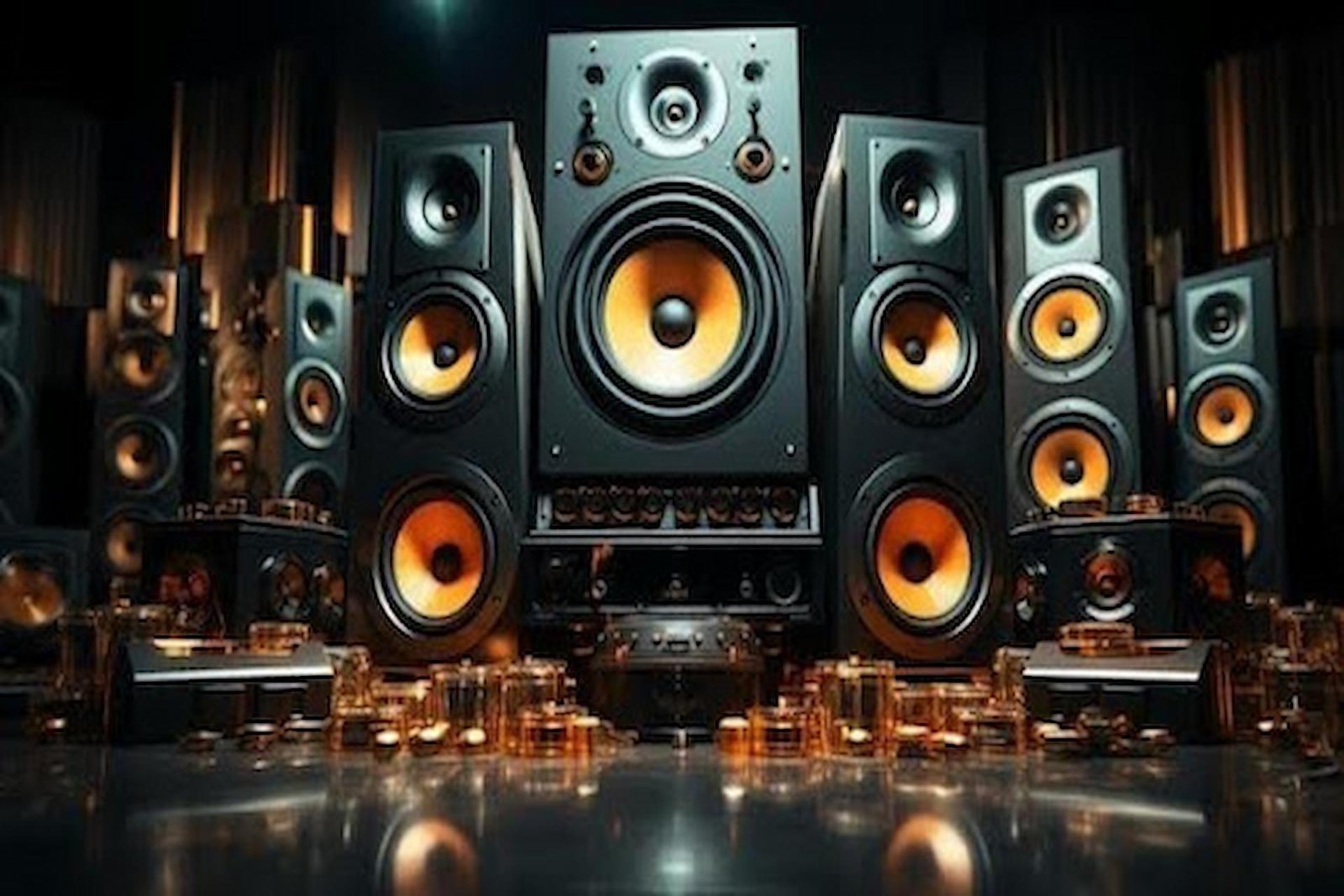
Audio speakers are often expected to perform consistently without much attention. They are set up, used regularly, and only noticed when something goes wrong. Over time, this approach leads to reduced performance and avoidable wear. With the right habits, however, speakers can last significantly longer while maintaining sound quality.
The key is not complex repair work. It is consistent, practical care.
Keep Speakers Clean and Dust-Free
Dust may seem harmless, but it slowly affects performance. It can settle on speaker cones, vents, and internal components, reducing clarity and airflow. In some cases, it can even contribute to overheating.
Regular cleaning helps prevent this. A soft, dry cloth is usually enough for external surfaces. For tighter areas, gentle air cleaning can remove build-up without damaging parts.
This is especially important for professional audio speakers, which are often used in environments where dust and movement are common. Keeping them clean ensures they continue to deliver clear and consistent output.
Manage Volume Levels Carefully
Running speakers at high volume for extended periods is one of the fastest ways to shorten their lifespan. While most systems can handle peaks, constant strain creates stress on internal components.
Distortion is often the first warning sign. If sound starts to feel harsh or unclear, it usually means the system is being pushed too far.
Maintaining balanced levels protects both sound quality and equipment. It also reduces the risk of long-term damage that may not be immediately visible but builds over time.
Store and Transport with Care
Speakers are not just affected by use. How they are handled between uses also matters. Rough transport, poor storage, and exposure to moisture can all lead to gradual damage.
Whenever possible, speakers should be stored in dry, stable environments. Protective covers or cases can help prevent scratches and internal wear during movement.
For those using professional audio speakers in events or mobile setups, careful handling becomes even more critical. Frequent setup and transport increase the chances of impact or misalignment if not managed properly.
Check Connections and Cables Regularly
Loose or damaged cables can affect performance in subtle ways. Intermittent sound, signal loss, or unwanted noise often trace back to connection issues.
Routine checks help catch these problems early. Ensuring cables are secure and in good condition reduces strain on both the speakers and the connected equipment.
It is a simple step, but one that is often overlooked until problems become more noticeable.
Allow Proper Ventilation
Speakers generate heat during use. Without proper ventilation, this heat can build up and affect internal components. Over time, excessive heat reduces efficiency and increases the risk of failure.
Positioning speakers in well-ventilated areas helps manage temperature. Avoid placing them too close to walls or in enclosed spaces where airflow is limited.
This applies to all systems, but especially to professional audio speakers that operate for longer periods or at higher output levels. Good airflow supports both performance and longevity.
Use Equipment Within Its Limits
Every speaker system has a designed capacity. Exceeding that capacity, even occasionally, adds stress that accumulates over time.
Understanding these limits allows for better planning. Matching speakers with appropriate amplifiers and environments ensures they are not pushed beyond what they can handle.
Using equipment within its intended range is one of the simplest ways to extend its life.
Consistency Over Complexity
Maintaining speakers does not require advanced technical knowledge. It relies on consistent attention to small details. Cleaning, careful use, and proper storage create a routine that protects both performance and durability.
Over time, these habits reduce the need for repairs and replacements. They also ensure that sound quality remains stable across different uses.
With regular care, systems like professional audio speakers can continue to perform reliably for years, supporting events and environments without unexpected issues.
 Josh Martin